
How To Improve Skin Texture Naturally: Treatments That Actually Work

Improving skin texture naturally is a goal many people share when seeking healthier, smoother skin. Uneven texture, dullness, and congestion can affect your skin’s appearance and feel. We focus on a treatment that supports the skin’s natural repair process without harsh chemicals or invasive methods. SQT Bio-microneedling technology gently stimulates the skin to help restore clarity and vitality. Understanding how to improve skin texture is the first step toward achieving a refreshed complexion.
Understanding Skin Texture
Skin texture refers to the surface quality of your skin, including smoothness, pore size, and tone. Ageing, sun damage, and environmental factors can contribute to roughness, enlarged pores, and uneven colour. If you’re working out how to improve skin texture, it helps to start with what’s driving the change in the first place.
Texture can also shift when the skin barrier is dehydrated or stressed, which is why consistent care matters. Treatments that encourage gentle exfoliation and support collagen can help smooth rough areas and refine the look of pores. We always consider your goals and your skin’s tolerance, so the approach is safe, practical and sustainable.
What Makes Natural Skin Rejuvenation Treatment Effective
Our natural skin rejuvenation treatment supports the skin’s own renewal processes without relying on aggressive techniques. The most useful options are those that respect the skin barrier, encourage hydration, and promote a more even surface.
We also look for consistency and a clear treatment plan. When the approach is matched to your skin type, it can help improve the look of dullness and uneven texture while keeping downtime manageable. The goal is steady improvement that fits real life, not a short-term spike followed by irritation.
How SQT Treatment for Dull Tired Skin Works
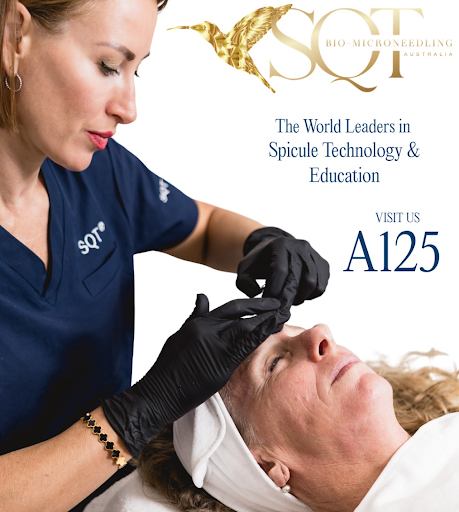
The SQT treatment for dull tired skin uses a needle-free bio-microneedling method with microscopic spicules derived from freshwater sponges. These spicules create micro-channels at the surface, which support gentle exfoliation and help the skin respond with a renewed appearance.
Because the approach is designed to work with the skin’s natural processes, it’s often chosen by people who want visible vitality without heavy intervention. We keep the plan personalised, including timing and aftercare, so that the skin can settle and recover properly between sessions.
The Science Behind SQT Bio-Microneedling
SQT Bio-Microneedling uses high-purity spongilla spicules to stimulate the skin’s renewal response. The aim is to support a smoother surface, more refined-looking texture, and improved overall clarity as the skin cycles through recovery.
If you’re comparing options for how to improve skin texture, it helps to understand why this method is different. Our protocol can deliver benefits comparable to multiple traditional microneedling sessions in a single treatment, based on feedback from clinics providing the service. It’s also commonly discussed as a natural skin rejuvenation treatment when clients want a non-device and non-invasive approach.
The Role of Certified SQT Practitioners
Certified SQT practitioners complete structured training so treatments are delivered safely with consistent technique, correct protocols, and appropriate aftercare guidance. That matters because skin texture concerns can look similar on the surface, but the right approach depends on what’s happening beneath the surface.
We also support clinics with ongoing guidance so practitioners can keep refining their delivery and client communication. When you choose certified SQT practitioners, you’re choosing a provider who understands the method and how to tailor it to different skin goals and needs, and industry professionals who are willing to invest and unskill their education and innovation in a fast paced industry.
Choosing the Right Certified Clinic
A certified clinic should start with a clear consultation and a plan that safely aligns with your skin goals, your schedule, and your tolerance for downtime. You should also be given straightforward aftercare instructions, so you know what to do and what to avoid.
It’s also reasonable to ask how your provider approaches treatment spacing and maintenance. Choosing a clinic with certified SQT practitioners helps keep expectations realistic and delivery consistent, especially when you’re aiming for improvement over mediocre outcomes.
What to Expect During and After Treatment
During treatment, spicules are applied topically using controlled hand techniques that support the skin’s renewal response. The session is straightforward, with a focus on s safe and consistent application rather than aggressive intensity.
After treatment, mild erythema (redness) or dryness can occur, and the skin may feel more sensitive for a short period. We recommend gentle cleansing and daily sun protection from day 3, plus avoiding makeup for 48 hours. Many people choose this approach as a natural skin rejuvenation treatment because it supports visible freshness while keeping aftercare simple and practical.
Combining Professional and At-Home Skincare
Professional treatments work best when your home routine supports the skin barrier. That means gentle cleansing, hydration and daily sunscreen, especially while the skin is settling after a session.
We also encourage a steady routine rather than constantly changing products. If you’re using the SQT treatment for dull tired skin as part of your plan, your clinic can guide you on what to pause and what to keep, so you’re not accidentally overloading the skin. The goal is to maintain comfort while supporting ongoing improvement in texture and radiance.
Improving skin texture naturally takes a consistent plan, realistic expectations, and the right provider. When your treatment approach supports the skin barrier and renewal cycle, the changes can look more even, smoother, and healthier over time.
Book with a local clinic trained by SQT Australia to start your personalised plan for smoother-looking skin.


I note the restrained synthesis of contributing variables. Evidence is layered logically. Supplementary descriptive context on this topic may be found on the website . Digital entertainment platforms illustrate participation scaling.