
SQT Bio Microneedling vs Dermapen: Which Microneedling Should Your Clinic Offer?
When clinics ask us about SQT Bio Microneedling vs Dermapen, it usually comes down to three things: training time, ongoing running costs, and how a treatment feels for the client. We built SQT as a device-free protocol, so there are no needles, sharps handling, or bleeding to manage. Dermapen is a needle-based device that gives practitioners adjustable depth control for deeper scarring work. Neither is universally better. The right fit depends on your client base, your existing equipment, and how much hands-on training time you can offer new staff.

What Is The Difference Between SQT Bio Microneedling And Dermapen? The core difference is what touches the skin. Dermapen uses a motorised, needle-tipped device that stamps vertically into the skin to create controlled micro-injuries. We use spongilla spicules, naturally derived from freshwater sponges, worked into the skin by hand to create micro-channels without needles, heat, or bleeding.
Because the needle enters and exits vertically instead of dragging across the skin, Dermapen creates more uniform channels with less lateral trauma than older roller-based devices, which is part of why it has stayed a common choice in Australian clinics. We work differently again. Instead of a device, our practitioners hand press spicules into the skin, creating millions of micro-channels in ten to fifteen minutes, with no needle-depth setting to manage. Clinics researching needle-free vs Dermapen microneedling Australia usually come to us asking about this mechanism difference first, since it changes what training, consumables, and consent paperwork are needed.
It also explains why ‘is SQT better than Dermapen for clinics?’ rarely has a simple yes-or-no answer. Both approaches stimulate collagen, but they do so through different pathways, which changes who each treatment suits.
How Does Needle-Free vs Dermapen Microneedling Australia Compare For Client Comfort?
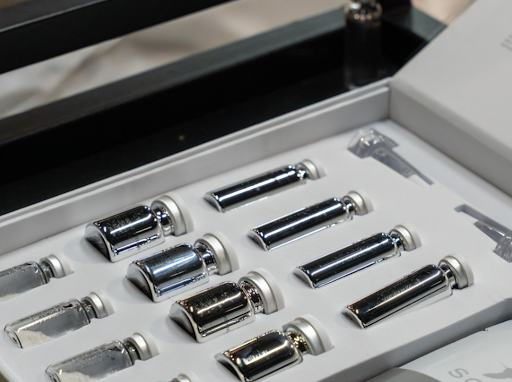
Our clients tend to describe SQT as a light discomfort rather than a sharp point, and most report only mild, short-lived redness that settles within a day or less. Dermapen often produces more visible redness and swelling in the first 48 hours because it penetrates the skin at the dermis layer, end point being pin point bleeding.
Clinics switching from Dermapen to SQT often tell us this comfort gap alongside rapid results is the main reason their clients ask for the treatment by name, particularly clients who are needle-averse or who need to return to work with minimal visible downtime. We also skip the topical anaesthetic step that some Dermapen protocols use, which shortens the appointment and simplifies consent.
What Training Does Each Treatment Require?
Training for SQT bio microneedling vs Dermapen looks different because the two treatments ask practitioners to learn different things. Our training covers hand technique and product protocols across a structured pathway: a two-three hour theory session, a two-hour hands-on workshop, and ongoing mentorship from Renée Altakrity, Australian Founder and Educator. The device manufacturer typically provides Dermapen training focused on needle depth calibration, sharps handling, and skin-penetration infection-control procedures.
For many clinic owners, is SQT better than Dermapen for clinics comes down to how safely and quickly a new clinic can be treatment-ready. Our structured training path can certify a practitioner in as little as one week, including theory, practical work, and access to ongoing monthly education.
Is SQT Better Than Dermapen For Clinics?
SQT and Dermapen solve different problems, not the same one in two ways. We suit clinics that want fast and safe results, lower running costs, no sharps disposal, faster staff certification, and a treatment suitable across all Fitzpatrick skin types, without the needle penetration restrictions some active-acne clients face with device-based methods.
Dermapen suits clinics with existing device investment who need adjustable needle depth for deeper indented scarring or stretch mark work, and who already have sharps handling and skin penetration compliance in place.
The needle-free vs Dermapen microneedling Australia debate usually comes down to client mix rather than technology alone. Clinics with a heavy pigmentation and active acne caseload tend to lean toward SQT, while clinics doing deeper scar remodelling often keep Dermapen in the room as a combined protocol alongside SQT.
Which Clients Are Better Suited To Each Treatment?
We're suitable for all Fitzpatrick skin types and don't carry the needle-penetration restrictions of Dermapen, which is often avoided during active breakouts. This also makes us appropriate for delicate areas like the under-eyes. Dermapen's adjustable needle depth makes it a common choice for deeper scarring and stretch marks, though its needle-based, skin-penetrating method places it under closer regulatory scrutiny. The Therapeutic Goods Administration classifies any device or procedure that claims to penetrate the skin as higher risk, requiring inclusion on the Australian Register of Therapeutic Goods.
At this point, the practical difference between SQT bio microneedling and Dermapen is patient selection, not preference. Clients with reactive skin, active inflammation, or a low tolerance for downtime tend to do better with us, while clients chasing deeper texture change may still need Dermapen. Clinics that are switching from Dermapen to SQT for these clients sometimes keep Dermapen available as a secondary option for deeper scar work rather than retiring it outright.
What Does Switching From Dermapen To SQT Involve?
Adding SQT doesn't require purchasing a device. Clinics complete our training pathway and start with a Starter Kit, a $2,699 + GST investment that includes training, certification, and product stock valued at over $4,100. Clinics that ask ‘is SQT better than Dermapen?’ before switching usually find the bigger shift is procedural. Sharps bins and skin penetration record-keeping requirements under state guidelines fall away, replaced by product restocking and hand-technique refresher training.
We handle certification and the Starter Kit through the one training pathway, so there's no separate device delivery or setup lead time to plan around.
Frequently Asked Questions
Can my clinic offer both SQT and Dermapen? Yes. Some of our certified clinics keep Dermapen for clients who specifically want deeper needle-based treatment, while offering SQT as a comfortable, safe with faster results.
How long does SQT certification take?
Certification can be completed in as little as half a day, covering a two-three hour theory session and a two-three-hour practical workshop with our Australian Founder and Educator, Renée Altakrity
Does SQT need a treatment device or machine?
No. We're a device-free protocol applied by hand using spongilla spicules, so there's no equipment to purchase, calibrate, or maintain.
Is SQT suitable for clients with active acne?
We skip needle penetration and bleeding altogether, which is why we're commonly used on active breakouts where some needle-based treatments are avoided during flare-ups.
How much does it cost to add SQT to my clinic?
Our Starter Kit is a $2,699 + GST investment, which includes training, certification, and stock valued at more than $4,100.
Do I need special infection control processes for SQT?
We don't involve needle penetration or bleeding, so we sit outside the sharps handling and skin penetration record-keeping requirements that apply to needle-based devices.
Can SQT address the same concerns as Dermapen?
We address the same visible concerns as Dermapen, including acne scarring, pigmentation, uneven texture, and stretch marks. Very deep indented scarring may still respond better to Dermapen's adjustable needle depth.
How quickly do clients see results with SQT compared with Dermapen?
Our clients often notice visible improvement within seven days, compared with the roughly 28-day skin renewal cycle associated with traditional needle-based microneedling.
Why are more Australian clinics moving to needle-free treatments?
Client comfort is the main driver behind the needle-free vs Dermapen microneedling Australia shift we're seeing, alongside faster staff certification and lower per-treatment running costs.
What support is available for clinics switching from Dermapen to SQT?
We provide ongoing mentorship, monthly education workshops, and direct access to our founder and training team after certification.
The right pick depends more on who your clinic treats than on which treatment is superior. A clinic with a heavy active acne or pigmentation caseload will get more use out of us than one focused on deeper scar work.
Get in touch with SQT Australia and we'll walk you through training, certification, and what switching over could look like for your clinic.


Comments