
The Needle-Free Shift Defining 2026: Best Treatment For Uneven Skin Texture Australia
Clients are asking for real results without needles, extensive downtime, or harsh devices, and clinics that can meet that demand are the ones capturing the 2026 shift in skin treatments. The best treatment for uneven skin texture Australian clinics are adding to their menus right now is bio-microneedling powered by natural spongilla spicules, not lasers, peels, or motorised devices. For clinic owners deciding what to add next, this shift is worth understanding before the demand curve moves further ahead of supply.
Why Are Clients Moving Away From Devices And Invasive Treatments?
Client demand is shifting toward subtle, consistent improvement, not aggressive correction. Interest in at-home devices has cooled as people look for treatments that they can trust a professional to deliver safely, after years of DIY peels and rollers left many wanting more guidance and better results.
This shift plays directly into what bio-microneedling offers. There's no motorised device, no numbing cream, and no visible trauma to the skin. For clinics, this reduces the equipment overhead of lasers or RF devices while still meeting demand for visible, science-backed results, with collagen induction research showing similar results.. It also lowers the barrier for clients who have avoided microneedling in the past because of needle anxiety, giving clinics a way to bring hesitant clients into a regenerative treatment plan.

How SQT compares to other texture treatments clinics commonly offer:
Treatment | Needle or device required | Typical downtime | Chemical exposure |
SQT bio-microneedling | No | Minimal | None |
Traditional microneedling | Yes (mechanical needles) | Minimal to moderate | None |
Chemical peels | No | Moderate to extended (varies by peel depth) | Yes |
Laser resurfacing | Yes (device) | Extended | None |
Downtime varies by protocol and provider. This table gives clients a fast, honest comparison during a consultation, and gives clinics a scannable answer they can point to when explaining why SQT bio microneedling sits differently in the treatment menu.
Why Does SQT Treatment For Combination Skin Australia Suit More Client Types?
SQT treatment for combination skin Australia is formulated to manage oily and dry zones in the same session, using lightweight, non-comedogenic serums alongside the spicules. This matters for clinics because combination skin is one of the hardest presentations to treat with a single protocol, since oily and dry zones often respond differently to the same active ingredients.
Most laser and chemical peel options require adjusting intensity or downtime expectations depending on which zone of the face is being treated, which means more consultation time and more variables for a provider to manage. SQT treatment for combination skin Australia is designed to work across both oil and dryness without that split approach, which simplifies the treatment plan a clinic offers to a broad client base and reduces the number of product lines a clinic needs to stock and train staff on.
What Makes Collagen Boosting Facial Treatment Australia Relevant To The 2026 Trend?
The shift toward collagen boosting facial treatment Australia options reflects a broader move in aesthetics: clients want to build skin quality ahead of visible decline, not just correct it after the fact. A peer-reviewed review of microneedling in dermatology confirms that controlled micro-injury triggers the body's natural wound-healing process, increasing collagen and elastin production and supporting firmer, more resilient-looking skin over time.
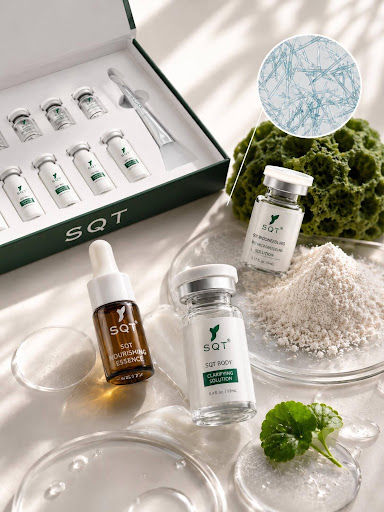
Spongilla spicules work on the same underlying principle as traditional microneedling, triggering the skin's own repair response, but without a mechanical needle puncturing the tissue. This is what makes collagen boosting facial treatment for Australian providers increasingly worth training in for 2026. For clinics, that means offering a treatment aligned with the regenerative trend clients are already asking about, without the higher barrier to entry that laser or RF devices carry, and without the recovery time that can put clients off booking regularly.
How Can Clinics Position SQT As Part Of A Preventative Offering?
Clients are shifting from reactive treatments to ongoing skin maintenance, booking sessions on a seasonal or preventative basis rather than waiting for visible texture loss. This creates an opening for clinics to build SQT bio microneedling into a recurring treatment plan rather than a one-off service.
Because the treatment is gentle enough for regular use, it fits naturally into a maintenance cadence. Clinics researching the best treatment for uneven skin texture in Australia can build it into a seasonal, preventative offering alongside existing facials or skin consultations, positioned as the entry point for clients who are texture-focused but hesitant about needles or lasers.
How To Improve Combination Skin Naturally Without Devices Or Harsh Chemicals?
Clients looking at how to improve combination skin naturally are increasingly looking past retinol and exfoliating acids toward treatments that work with the skin's own repair processes. SQT's spicules are extracted from freshwater sponges and contain no harsh synthetic chemicals or acids, which appeals directly to clients seeking a natural option.
This is exactly the answer clinics can give clients asking how to improve combination skin naturally, without recommending a device or harsh chemical routine. This also gives clinics a talking point that differentiates the treatment from in-clinic chemical peels or prescription retinoid routines, both of which come with irritation risk and downtime that many clients want to avoid.

Frequently Asked Questions
Does SQT use needles? No. SQT bio microneedling uses spongilla spicules, natural structures extracted from freshwater sponges, instead of mechanical needles.
Is SQT suitable for combination skin? Yes. The protocol is formulated to manage both oily and dry areas within the same treatment.
How does SQT compare to traditional microneedling? Both stimulate the skin's natural collagen response through controlled micro-injury. SQT does this without a device or needle penetrating the skin.
Is training required to offer SQT in a clinic? Yes. Providers complete SQT certification training before offering the treatment to clients.
How many sessions do clients typically need? A minimum of three treatments is generally recommended, though individual protocols will be prescribed in your consultation.
What downtime should clients expect? Clients may notice mild redness or tingling immediately after treatment, with no significant downtime reported.
Can SQT micro needling be combined with other treatments? Yes. Many clinics incorporate SQT alongside existing facial or skincare protocols as part of a broader treatment plan.
Is SQT suitable for sensitive skin? Yes. The spicules are biocompatible and gentle enough for use across skin types, including sensitive skin.
Does SQT replace the need for professional aftercare advice? No. Clinics should still provide clients with aftercare guidance to support results between sessions.
How quickly do clients see results? Visible changes are typically reported within days, faster than the weeks associated with traditional microneedling.
Clinics that adopt SQT now are meeting the shift early. NO needles, NO devices, NO harsh chemicals or acids. SQT was built for that shift, not retrofitted to it.
Get SQT Australia certified and lead the needle-free shift from your clinic today.


Comments